Search
About Bosa Lawyer
Ducimus perferendis, tempore. Incidunt. Minim hendrerit provident condimentum diam? Itaque, sequi sunt repellat praesentium ipsum eros scelerisque iaculis! Recusandae recusandae etiam.
Categories
- Attorneys (4)
- Blog (37)
- Business Law (3)
- Child Support (5)
- Custody (9)
- Deed (2)
- Divorce (11)
- Family Law (5)
- Real Estate (26)
- Uncategorized (1)
- Video Blog (2)
Philadelphia Property Owners Guide to Zoning Variances
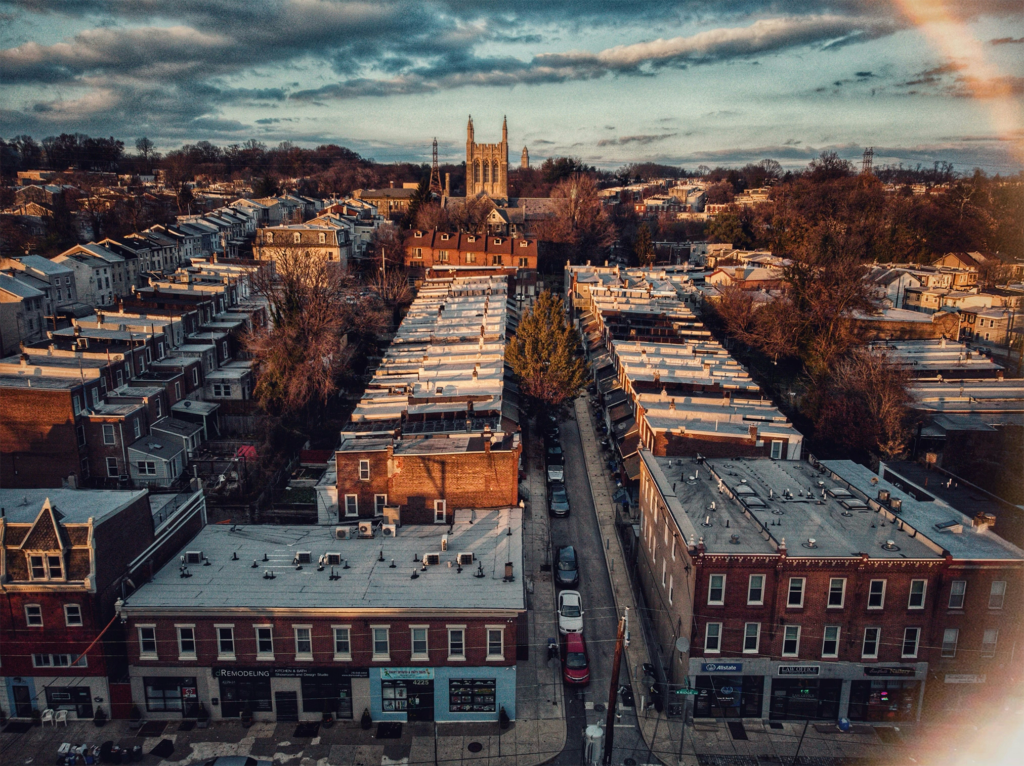
Owning property in Philadelphia comes with opportunity. A rowhome might become a duplex. A vacant lot might become new housing. A storefront might become a restaurant, office, salon, daycare, or medical practice. But before any of that can happen, the property owner must answer one important question: Does the Philadelphia Zoning Code allow it?
Sometimes the answer is no — or at least not automatically.
That does not always mean the project is dead. It may mean the property owner needs a zoning variance.
A zoning variance is permission to do something with a property that the zoning rules would not ordinarily allow. In Philadelphia, variances are handled by the Zoning Board of Adjustment, commonly called the ZBA. The ZBA hears appeals from zoning decisions made by the Department of Licenses and Inspections (L&I).
For property owners, investors, developers, and business owners, understanding the variance process early can save time, money, and frustration.
What Is a Zoning Variance?
Philadelphia’s zoning rules control how land and buildings can be used. They address issues such as property use, building height, setbacks, lot coverage, parking, signage, and density.
For example, a property may be zoned for single-family residential use, but the owner may want to create two apartments. A business owner may want to open a use that is not permitted in that zoning district. A developer may want to build higher or closer to a property line than the code allows.
When L&I determines that a proposed project does not comply with the Zoning Code, it may issue a Notice of Refusal. That refusal is often the document that starts the variance process. The owner can then appeal to the ZBA and ask for relief from the zoning requirement. If the ZBA grants the variance, the owner may move forward with obtaining the required permits.
A Variance Is Not Automatic
One common misconception is that a variance is simply a formality. It is not.
The ZBA does not grant variances just because a project would be profitable, convenient, or popular with the owner. The applicant must present evidence demonstrating why the variance should be granted under the legal criteria set forth in the Zoning Code.
Philadelphia’s variance materials explain that an applicant generally must show that it is not possible to comply with the code due to unique physical conditions at the property. The Zoning Code also requires the Board to consider whether the variance meets the applicable approval criteria.
That means preparation matters. Property owners should be ready to explain what makes the property unique, why strict compliance would create a hardship, and why the requested variance will not negatively affect the surrounding neighborhood.
Use Variances vs. Dimensional Variances
Not all variances are the same.
A use variance involves using the property for something not permitted in that zoning district. For example, a property owner may want to operate a commercial business in an area where that use is not allowed.
A dimensional variance involves relief from physical requirements, such as height, setbacks, open area, and lot coverage. For example, an owner may want to build an addition that extends beyond the code limit.
This distinction matters because the facts, evidence, and strategy may differ depending on the type of variance requested.
Neighborhood Input Matters
Philadelphia zoning is not only about paperwork. It is also about people.
Depending on the project, applicants may need to present their proposal to a Registered Community Organization, or RCO. Neighbors may attend meetings, ask questions, raise concerns, or support the project. Issues such as parking, traffic, noise, trash, density, and neighborhood character often come up.
This is where many projects run into trouble. A property owner may assume the legal issue is simple, only to discover that the community has concerns. Those concerns do not always prevent approval, but they should be taken seriously.
A well-prepared applicant should be able to clearly explain the project, answer practical questions, and, when appropriate, consider reasonable adjustments.
Documentation Can Make or Break the Request
A zoning variance is easier to pursue when the owner has the right documentation from the beginning.
Helpful materials may include:
- The Notice of Refusal from L&I
- Plans or drawings showing the proposed work
- Photographs of the property
- Information about the property’s current and prior use
- Evidence of unique property conditions
- Letters of support, where appropriate
- Any leases, agreements of sale, or business plans relevant to the proposed use
The goal is to give the ZBA a clear picture of the property, the project, and the reason for the requested relief.
Timing Is Important
Property owners should not wait until the last minute to think about zoning.
A sale, lease, construction loan, tenant build-out, or development timeline can be seriously affected by a zoning issue. If a variance is needed, the project may require additional filings, public notice, community meetings, and a ZBA hearing.
In other words, zoning can become the thing that delays everything else. Before buying a property or signing a lease, it is wise to confirm whether the intended use is permitted. This is especially important for investors, developers, restaurants, childcare operators, medical offices, and other businesses with specific zoning needs.
The Bottom Line
Philadelphia is full of older buildings, irregular lots, changing neighborhoods, and creative development opportunities. That is part of what makes the city interesting. It is also why zoning issues are so common.
A zoning variance can open the door to a project that would otherwise be blocked by the code. But it is not something property owners should treat casually. The process requires preparation, documentation, and a clear understanding of the rules.
If you are buying, developing, leasing, or changing the use of property in Philadelphia, it is worth addressing zoning early. The sooner you know what approvals are required, the better positioned you will be to protect your investment and move your project forward.
If you are purchasing, developing, or changing the use of property in Philadelphia and have questions about zoning or land use requirements, reach out to Joseph Console at Joe@ConsoleLegal.com.
Contact Us
New Case? Send Us Message
With big firm experience and small firm personal service, Console Matison is dedicated to providing high-value legal services at affordable and competitive rates to individuals, families, small-business owners, developers, investors and entrepreneurs in Philadelphia and the surrounding Pennsylvania and New Jersey suburbs.
Have Any Questions?
(267) 603 - 2493
- Monday - Friday
- 8:00am - 5:00pm